


Did you see the SNL skit last Saturday called “Sister?” The premise is that a son notices his father may need some help. After lamenting that nursing care is expensive, he advises: “Ask your sister to ask your doctor if Sister is right for you.” Because Sister can provide 24/7 free care, so that you don’t have to do anything you don’t want, or anything at all. It’s funny because it is ridiculous, but for a lot of families it isn’t ridiculous at all. It’s funny until it isn’t.
The skit called attention to something that has frustrated many caregivers for years, and during National Family Caregivers Month, no less. The frustrating truth is that the burden of caregiving often falls to a single person in a family, and it’s overwhelmingly women. According to AARP and the National Alliance for Caregiving, 63 million people are family caregivers. And 3 out of 5 of those caregivers are women. Many sons and husbands provide care, but the unequal distribution of unpaid emotional caregiving labor deserves to be called out and addressed. Many of the women – between 42-55 years old on average – who are providing care for aging or ill parents or family are still caring for their children while working. In fact, that same report found that 70% of family caregivers are employed outside the home.
Family caregiving is called invisible labor because of the myriad responsibilities that are taken care of in the background, often unseen and unacknowledged. Beyond driving to appointments, preparing meals or running errands, family caregivers hold many positions and wear many hats. They are the CEO, president and chairman of the board of the business of the care in the home, such as:
- Medical Coordinator: Navigating doctors appointments, medications and insurance and the paperwork, phone calls and all the time and frustration that entails
- Household Manager: Responsible for meals, laundry, cleaning, grocery shopping, and chauffeuring often of parents and children at the same time
- Chief Financial Officer: Managing medical costs, ensuring bills are paid and managing expenses and budgets
- Chief Communications Officer: Updating siblings and other family members, answering questions, creating and coordinating schedules and often serving as mediator in disputes
- Crisis Manager, Fireman and Security Officer: (Often feels) Responsible when things go wrong and drops everything to put out fires, staunch the bleeding and take care of things that arise unexpectedly
- And Therapist and Social Worker: Chief listener, hugger, comforter and manager of others’ feelings
Caregiving is a second job for many, a job that consists of hundreds of little, endless tasks and responsibilities that get more complicated and complex over time.
Being a caregiver is physically and mentally taxing, but caregivers often do not acknowledge the emotional toll. Often they won’t talk about how caregiving makes them feel for fear of being judged, but it is normal to care deeply about someone we love and still struggle with feelings of guilt, anger, resentment and overwhelm. It’s completely normal to feel exhausted. It’s a normal reaction to be frustrated when other family members don’t offer support or help. We are normal humans and can feel guilt and resentment for needing time away and to meet our needs. Caregivers may feel lonely and unappreciated. They may also experience grief as they experience first-hand the day-to-day changes in the person for whom they are providing care and may fear for what the future holds.
But it is dangerous to ignore the toll of caregiving and to leave it unspoken and unaddressed. If caregivers feel they cannot express their feelings and ask for and receive help, they quietly become the person everyone comes to depend on without even asking – spouses, kids, parents, siblings, friends, coworkers. Your family assumes you have it all under control, because you do manage to figure things out. Your friends assume you’re too busy to be sociable. People just stop asking you what you need, and you’re so used to being quiet and putting yourself and your needs last that you wouldn’t know what to say if someone did ask you.
Yes, you are a strong, resilient and capable caregiver. You’re dependable, but that doesn’t mean you aren’t tired. Being strong doesn’t mean you couldn’t use additional support and being smart and capable doesn’t mean you have to do everything by yourself. If someone does reach out, don’t hesitate to give them clear directions for assistance.
“It would be so helpful if you could swing by the pharmacy on your way home.”
“I’d love to go to this event on Saturday. Could you come keep Dad company?”
“I need to attend a meeting Tuesday night. Could you bring dinner over?”

Ideally, your family and friends would offer to do these things from time to time without being asked, because it is not fair for one person to bear so much of the weight of responsibility for caregiving. Family circumstances vary, of course. You may be an only child. One sibling may not live nearby. One of the family may not have the financial resources to contribute to healthcare expenses. But the “unfunny” part of the SNL skit is that there is a difference between being unable to be a caregiver and just assuming someone else will do it, because they are the sister or the oldest or the one without kids, etc. Families should have conversations about caregiving before it is even needed about how to more fairly distribute responsibilities and tasks between everyone.
Family members who are closer geographically or who may not work outside the home can provide more of the hands-on care. Someone who is not nearby or capable to provide hands-on care can take on the financial responsibilities Someone who has little extra time could still make transportation arrangements, step-in or hire someone to provide respite care and time-off for the primary caregiver. Take turns managing medical appointments or coordinating care with different specialists. Acknowledge the person doing the majority of the work or spending the most time as caregiver. Keep talking and tweaking and offering assistance where it is needed.
It will be impossible to split up caregiving duties in an equitable way. The truth is circumstances will often dictate that one person will spend more of their time or money caring for someone who is ill or aging. Again, every person’s circumstances, resources and abilities are different. But we can help make caregiving more fair if everyone who cares does what they can in the most meaningful way possible.
In honor of National Family Caregivers Month, here’s some encouragement for those of you taking on this important, but often thankless job.
- You are allowed to have a life outside of caregiving. You can love your family and still deserve time for yourself and your own needs.
- You do not have to do everything. Good is good enough. Give yourself grace and permission to not worry about a perfectly clean home or homemade dinners every night, and also to fail at perfectly meeting every single family member’s expectations. It’s not possible. You are only human.
- Asking for help is not failure. No one is supposed to be doing any of this alone. Caregiving takes a village. Needing support and seeking it out is not some sort of personal failing.
- Your physical, mental and emotional wellbeing matter, too. Caregiver syndrome is a real health problem for hundreds of family caregivers. Keeping your healthcare appointments, getting movement, exercise and time off to socialize are not just luxuries; they are important for your health.
- You deserve support, too. See a therapist. Have coffee dates with trusted friends who let you download and vent. Seek out respite services like an elder companion doula, (That’s me!) who can allow you time to take care of yourself and to be yourself outside your role as caregiver for at least a few hours a week.
And, lastly, if you are a family member, friend, coworker or anyone who cares about someone who is navigating life as a family caregiver, do not forget that they are humans who need support, too. Show up and help where you can.
- Don’t just ask about the person receiving care. Check in and let the caregiver know you care about how they are faring and where they may need help.
- Never assume that the caregiver is fine just because they don’t complain or haven’t reached out. Caregivers may be afraid that asking for helping because it feels like failure. Reassure them that they are doing a great job, but that everyone needs and deserves help and support.
- Remember birthdays, anniversaries and other important milestones in the caregiver’s life and celebrate them as often as you can.
- Offer specific help.
- I’m bringing by some take-out Thursday.
- I have free-time Saturday, so I’m going to come to give you some time to get outside. I’ll clean up your kitchen or the back bathroom while I’m here.
- I’m bringing your favorite coffee drink and coming to hang out for some girl talk.
- I’m going to Costco. Do you need anything?
- Invite them to dinners, parties and events, even if they cannot attend often.
- Listen. You do not have to immediately give advice or solve problems. Just let them talk and express their frustrations and fears without judgement.
- Acknowledge the sacrifices they make to provide this loving care. Let them know they are seen, loved and important.
You may be the Sister depicted in the SNL skit. Or you may just be someone who knows and loves Sister. Caregiving is an act of love, but that doesn’t make it easy. Caregivers often become lost in the roles they undertake and become invisible in the background until a crisis emerges. Caregivers need support. They need rest. They need connection and understanding and someone who truly cares about their wellbeing.
Sometimes the person who needs the most support is the person everyone assumes is fine.
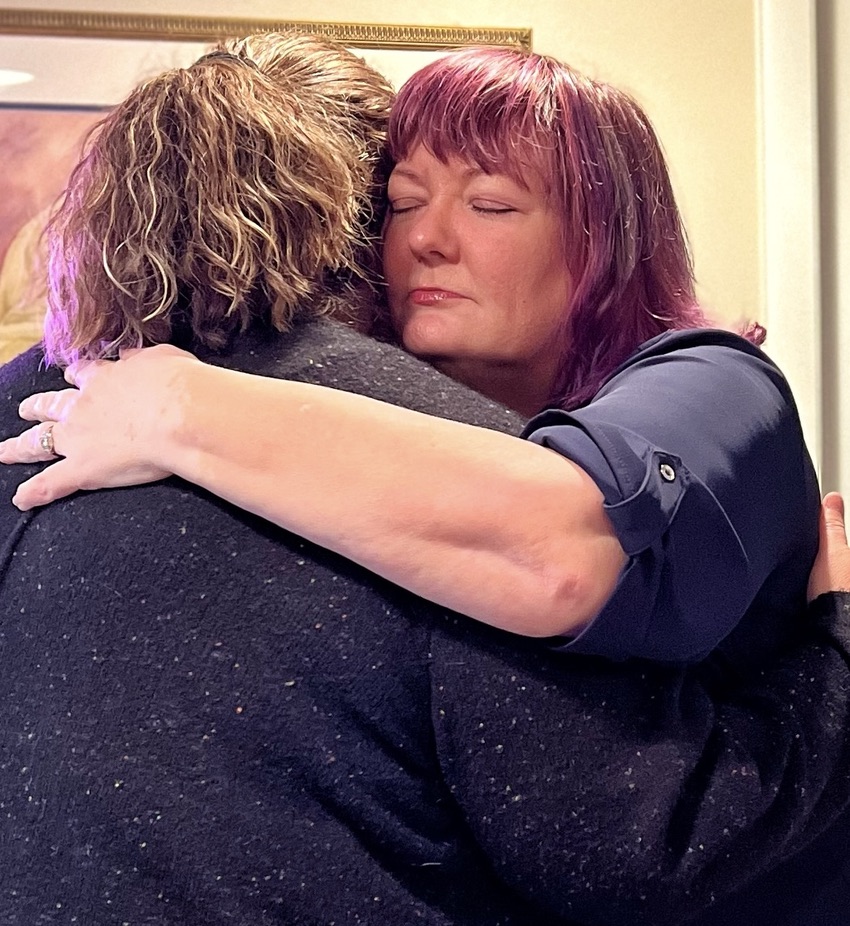
Remember, if you’re going to be checking in or visiting someone who is being cared for by someone in the family this holiday season, remember to check on the caregiver, too. They may be strong, resilient and dependable, but that doesn’t mean they do not need and deserve care and support. Sometimes the easiest, yet most powerful way to help a caregiver is just to let them know they are seen and loved, too.
Have you ever been the person everyone counted on? What is one thing someone did for you that made you feel supported during a difficult season?