
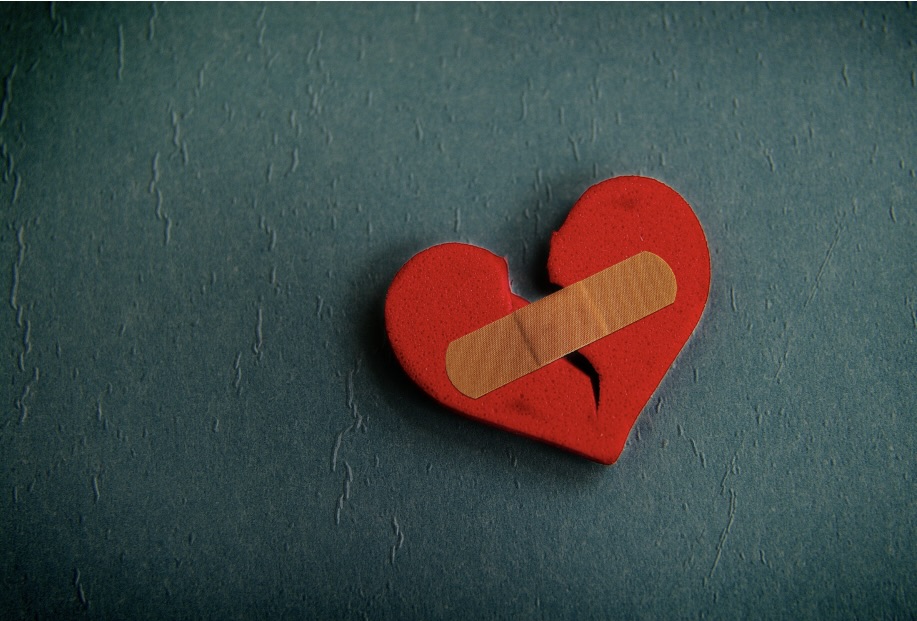

Hey, y’all. Are you feeling that ache, that inexplicable, unnameable heaviness, guilt, anger, hopelessness? You know that’s grief, right? You know that it’s okay to not be okay. It’s important that you can define and name your feelings and take care of yourself so that you can take care of others.
What is Moral Injury?
Moral injury occurs when you experience or witness something that goes against your moral core. Moral injury is a psychological, emotional and spiritual injury that occurs when we witness, experience or feel complicit in events that violate our deepest beliefs about right and wrong. It is more than likely a new concept for you, even though it is common among war veterans, and experts such as UCSF professor Shira Maguen, PhD, use trauma-informed therapies for moral injury trauma and has advice for anyone who needs some practical coping tips for their mental health. Because moral injury isn’t just something veterans or first responders deal with. Right now in the United States – with repeated shocks of mass violence, daily news feeds of harm, social fractures, and the ongoing toll of systemic injustices – many of us are living with this invisible wound.
Why Does It ALL Feel so Heavy?
When someone we love is hurt or taken too soon, grief is expected. But there’s another layer when violence itself feels like a personal betrayal of our community, safety, and moral order. It’s not just that life is unfair; it’s that the world seems to contradict the very values we hold at our core. When we see brutality on screens or in our streets over and over and over, we can start to feel:
- Guilt – “Should I have said or done something?”
- Shame – “Why don’t I have the answers?”
- Anger – “How could this keep happening?”
- Betrayal – “Where are the systems and protection I was promised?”
- Hopelessness – “Is this what life looks like now?”
These aren’t just feelings; they’re moral wounds. They grow out of a clash between the way we believe the world should work and the way the world is. And here’s the thing: that clash doesn’t just stay in our heads. It touches our sense of self, our trust in others, and our belief in a future worth building.
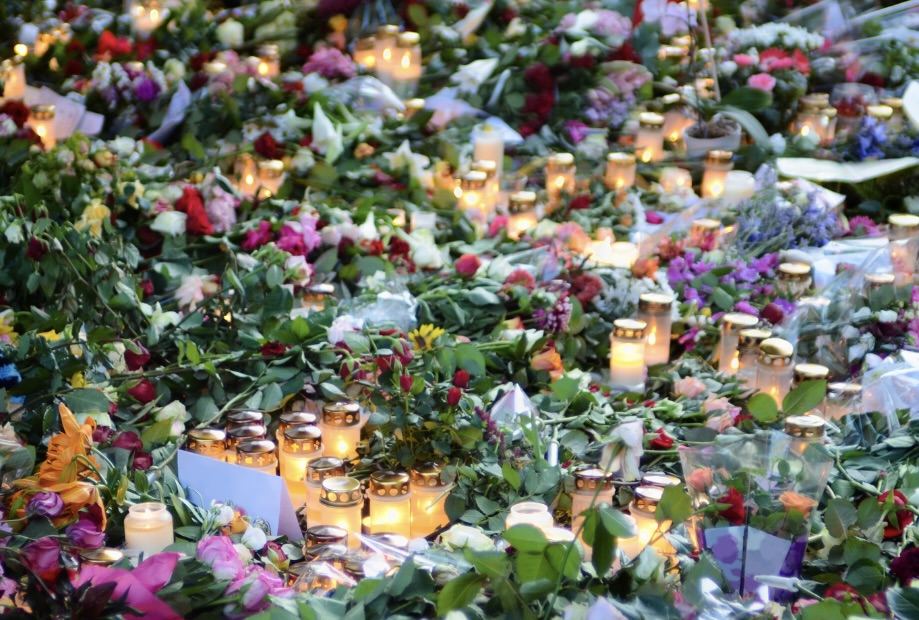
Moral Injury Causes Trauma and Grief
A lot of us have heard the word trauma. Sometimes we use it to describe fear, shock, or distress. Fear from trauma often creates helplessness. Moral injury often causes us to be afraid that the systems and institutions of the world around us have become unmoored from the foundations of safety, honor, and integrity that we have internalized and expect and shifts our whole sense of reality, which causes fear and helplessness. While we normally associate grief with the loss of someone dear, moral injury comes when the world betrays our sense of moral order, which is the significant loss of something dear. And like other types of grief, we have to find a way to live with that loss.
Moral Injury Grief
Grief from moral injury shows up in unexpected ways. You might notice:
- You can’t turn on the news.
- You feel exhausted, numb, or angry without warning.
- You question your own goodness and self-worth.
- You withdraw from people because it all feels too heavy.
These reactions are not weakness. They’re a human response to an inhuman situation. And many of us are carrying this quietly, alone.
What Can You Do to Feel Better?
Just like grief from any loss, there isn’t a quick fix. There isn’t a “one-size-fits-all” answer. But there are paths forward that help us integrate the hurt without becoming defined by it:
1. Recognize that You are Wounded and Grieving
Grief is not fatal, and is not weakness. It is a real spiritual, emotional and psychological response to trauma and moral injury. It is important that we acknowledge and take steps to strengthen and preserve our holistic – mental, emotional, spiritual and physical – health.
2. Seek Community
Healing rarely happens in isolation. Being seen and heard and witnessed builds resilience. Moral injury that stems from societal and global events are communal injuries, and we should seek communal support and solutions, not just individual. We need to find or create safe spaces, which means prioritizing healthy relationships and enforcing boundaries. Spaces that are emotionally and physically safe, help us regulate emotions and think more rationally. Seek out community support groups where you can participate with ritual, art expression and activities that build resiliency. Sharing experiences helps rebuild our sense of moral order.
3. Small Acts of Repair
Look for ways to support your community. Helping others and taking positive action helps us feel better and facilitates healing. Acts of kindness and serving others may not erase all harm and moral injury, but it will help us reinforce and re-cement our values in the world again.
4. Self Compassion and Care
We need to be kind to ourselves and give ourselves gentle care. Find, practice and use your most effective stress-reducing mind-body exercises, whether that’s breathing exercises, meditation, movement and physical activity, and social support. Use positive and resiliency-building language with yourself and your loved ones and community.
Final Thoughts
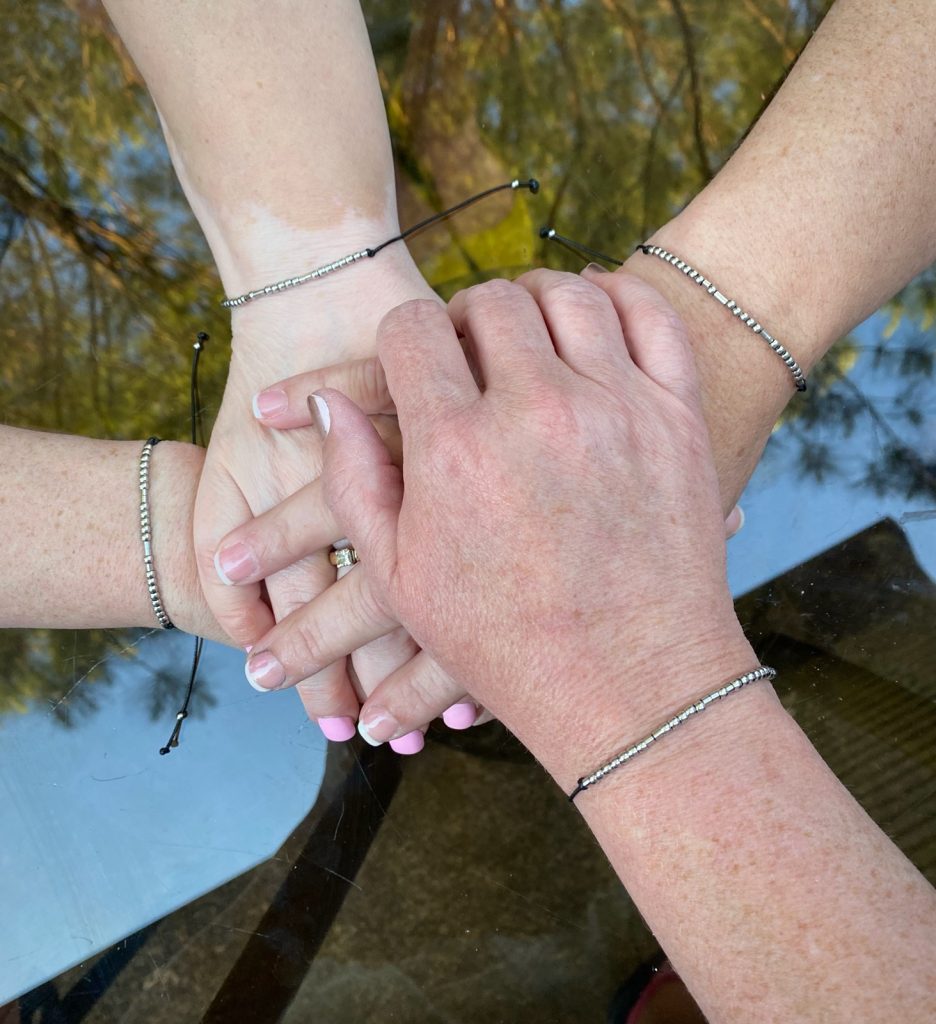
This is heavy. And it matters that you feel this and that you are not okay. There’s no shame in the ache you feel. You are human. Being a human is hard and being a human that cares even more so. When the world doesn’t make sense, we can find our bearing not in denial, but in bearing witness to our own and our community’s moral heartbreaks.
We are hurting together, and that means we can also heal together.
You’re not alone here.